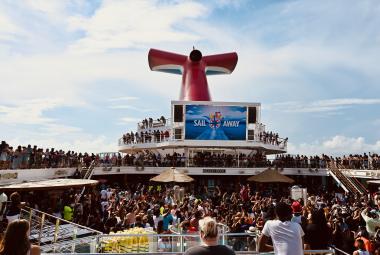
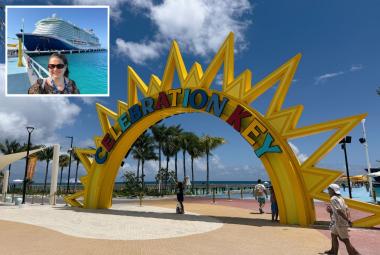
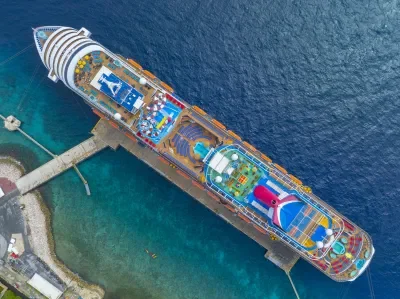
The Federal Bureau of Investigation (FBI) is investigating a passenger's death on the Carnival Horizon, a Carnival cruise ship based out of Miami, Florida.
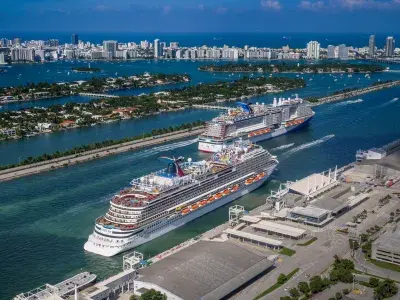
Federal authorities boarded the Vista Class ship when it returned to PortMiami on Saturday, November 8, 2025, the cruise line confirmed.
"Our focus is on supporting the family of our guest and cooperating with the FBI," Carnival Cruise Line said to CBS News.
An FBI spokesperson added, "I can confirm that the FBI has responded to the scene. Because this is an ongoing matter, no further information is available at this time."
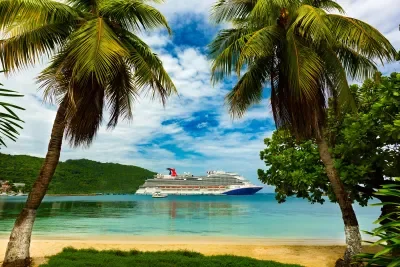
The guest passed away on the Carnival Horizon during the ship's 6-night Western Caribbean cruise, although the exact date is unclear. The vessel called at Jamaica, Grand Cayman, and Cozumel.
Some have speculated that it happened on the last day of the sailing, when guests recalled hearing the secret medical emergency code word for an incident on Deck 8.
Afterward, a few passengers were notified that they'd have to vacate their cabins earlier than usual on disembarkation day.
"Authorities will be joining the ship first thing upon arrival to complete an investigation and will be in the area of your hallway," the message reportedly read.
"It could be noisy and disruptive, so we kindly ask that you be out of your stateroom by 7:00 am."
Others have taken to social media to share their thoughts, adding to the swirl of speculation surrounding what happened during the sailing.
"A young lady was found deceased wrapped in a sheet under a bed in a cabin. Just horrible," one passenger wrote on Facebook.
Another added, "She was only 16. Most people are saying it was [drug-related] but [it] hasn’t been confirmed. I just debarked today."
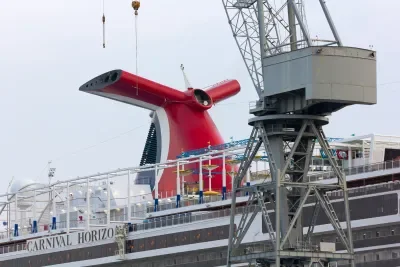
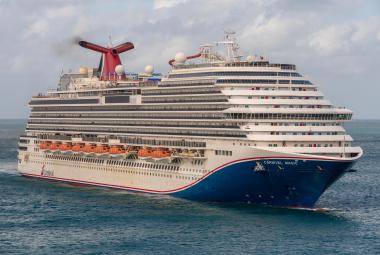
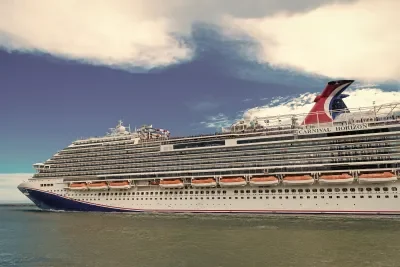
Carnival Horizon measures 133,500 gross tons and is based out of Miami, Florida. She alternates between 6- and 8-night Caribbean cruises and can accommodate over 4,000 guests at maximum capacity.
There was no delay to the following 8-night sailing, which departed on Nov. 8. It's due to visit the ABC Islands in the Southern Caribbean, returning to Florida on Nov. 16.
That said, some passengers reported that part of the ship was blocked off when they boarded.
"We are on here now and they had part of a floor still blocked off when we boarded today," shared one guest.
Carnival Dream FBI investigation
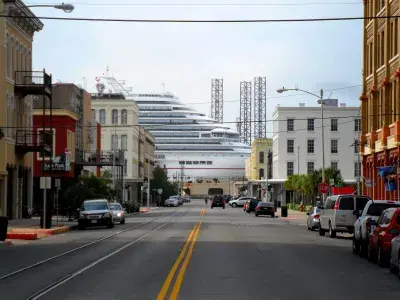
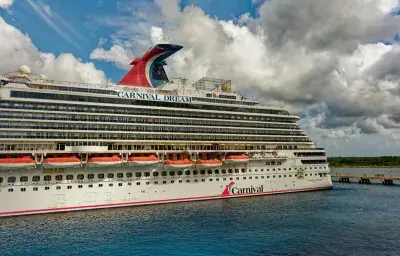
In July, FBI Houston Public Affairs Officer Connor Hagan confirmed that the agency was coordinating with multiple federal and local agencies to investigate a death on Carnival Dream.
The deceased aboard Carnival Dream was later confirmed to be Euvelester Villarreal Jr., 48, of Rio Grande City. He was pronounced dead at 5:22 a.m. on Wednesday, July 23.
The Texas-based cruise ship was on a 6-night Western Caribbean cruise from Galveston to Costa Maya, Mexico; Belize City, Belize; and Cozumel, Mexico.
Carnival Cruise Line denied foul play or suspicious activity, adding that it's standard practice for the FBI to review deaths that happen on cruise ships:
"This routine protocol ensures transparency. It does not automatically imply suspicious circumstances, and the facts of this matter do not suggest any such activity. We extend our heartfelt sympathy to our guest's family and loved ones in this difficult time."
In fact, the Cruise Vessel Security and Safety Act (CVSSA) of 2010 requires certain incidents to be reported to the FBI.
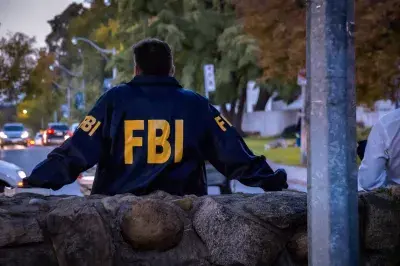
The eight incidents that must be reported are homicide, suspicious deaths, missing U.S. nationals, kidnappings, assaults with serious bodily injuries, sexual assault, firing or tampering with a vessel, and theft of money or property of more than $10,000.
That said, investigating crimes committed at sea is difficult because there are unique challenges that land-based law enforcement agents do not face, from jurisdictional disputes to the logistical hurdles of gathering evidence.
FBI Tampa Special Agent Mat Pagliarini and FBI Los Angeles Special Agent Matt Parker are experts at understanding the legal web of crime at sea and the complexities investigators face.
As Parker explained, "You have everything you need to solve the crime on the ship. You have a short amount of time to do the best you can to solve this case or collect all the evidence you need to solve this case, and then your crime scene leaves."
Collaboration is also key since the investigations are not always solely governed by U.S. law. For example, before boarding a ship to collect evidence, conduct interviews, and secure the crime scene, agents typically need consent to board foreign-flagged vessels.

Elizabeth Wright
Elizabeth graduated from New York University's Arthur L. Carter Journalism Institute with her M.A. in Journalism in May 2023. Having sailed on over 30 cruises across different lines, including Royal Caribbean, Carnival, MSC, Margaritaville at Sea, and Princess, she loves sharing her insight and expertise on all things cruising!
In addition to writing for Cruise.Blog, Elizabeth has bylines in Business Insider, Royal Caribbean Blog, and Cruiseshipfood.com.