The Mexican Riviera is an idyllic, sunny region consisting of 20 cities spanning almost 1,500 miles along Mexico's Pacific coast.
It's a popular cruise destination that has many famous ports of call, offering a range of activities, varying landscapes, and stunning beaches, as well as a showcase for Mexico's rich culture and renowned food and drinks.
The best time to cruise to the Mexican Riviera depends on a number of factors, including budget, crowds, weather, and local activities.
Here is a look at what to consider when deciding when to cruise on Mexico’s west coast.
Cruises to the Mexican Riviera
Not to be confused with the Riviera Maya, the west coast of Mexico has long been a popular spot for travelers seeking the glorious sun and sand of the region. Stanley McDonald, the founder of Princess Cruises, takes credit for the term, coined in trying to emulate the allure of the French Riviera.
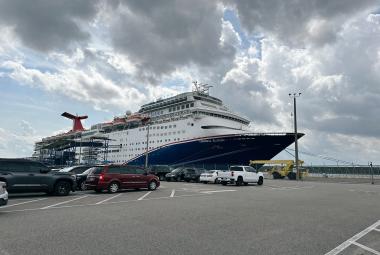
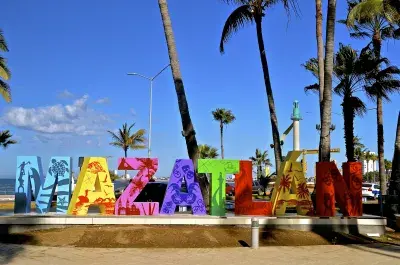
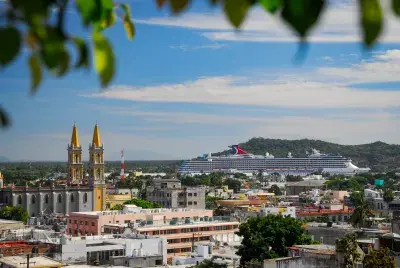
Today, these famous resort towns have become crowd-pleasing ports of call. Most cruises sail from Los Angeles (Long Beach), San Francisco, and San Diego on itineraries ranging from 2 to 7+ days. Ports such as Puerto Vallarta, Cabo San Lucas, and Mazatlán are frequent stops on major cruise sailings.
Although the region is known for beaches, there is much more to this southern destination, with a large variety of activities, diverse topography that ranges from deserts to jungles, and exceptional cultural experiences.
Price
Cruising is an economical way to see the Mexican Riviera; however, some peak times see a spike in cruise fares, including the summer and winter holidays.
May and June, as well as October and November, are generally considered the region’s shoulder season. Cruise fares tend to be lower during these months, except June, when prices rise as families begin traveling after the United States school year ends. However, you can usually find deals in January right after the busy holiday travel season.
For example, a 6-night Mexican Riviera cruise aboard Carnival Panorama in January 2027 starts at $394 per person, at the time of publication. The same itinerary increases to $719 per person in July 2027. Prices begin to fall again in late August and into September.
Mexican Riviera weather
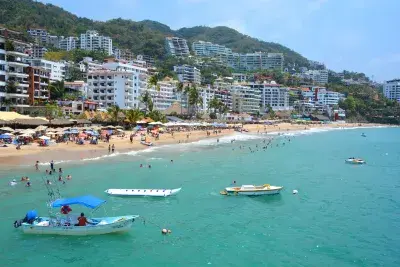
Mexico is a big draw due to its warm climate, which is abundant throughout the year. Generally, cruisers can expect weather in the Mexican Riviera that averages in the 80s, peaking into the 90s in the summer and early fall. November to April is the driest time of year and can occasionally see temperatures in the 70s.
Given the size of the Mexican Riviera, the weather is not consistent throughout the whole stretch of the coast, which is something for cruisers to keep in mind.
Leaving California, ports can be a little cooler at the start of the cruise, with the weather warming as the ship sails south. It's a good idea to keep a sweater or jacket on hand for this part of the journey.
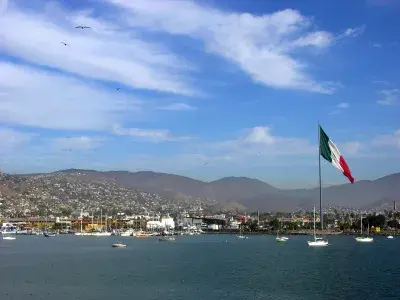
Ensenada, a frequent destination for shorter cruises, can dip down in the 60s in December, and unlike ports further to the south, it has more rainfall in the winter months, with summer being its drier time.
While technically in California, some Mexican Riviera itineraries include Catalina Island. With a mid-subtropical climate, cruises can expect highs in the mid 70s during the summer and mid 60s during the winter. In the winter, expect lows in the high 40s.
Additionally, potential cruisers should be aware of Southern California's "June Gloom," a weather pattern that results in cloudy, overcast skies with cool temperatures during the late spring. Since many Mexican Riviera cruises depart from Southern California, the first or last day at sea can feel cooler and gloomier than many may expect.
Hurricane season
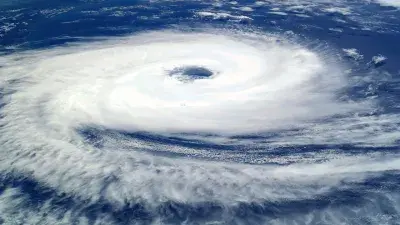
Late summer and early fall are the height of the hurricane season. However, this area of the west coast does not tend to get as many storms (and high levels of intensity) in comparison to the east coast. But it is always a possibility.
Hurricanes need warm water to grow and generally tend to move in a northwest direction in this part of the world. This trajectory means that few storms reach the homeports on the California coast, but traveling south, the water warms, increasing the possibility of inclement weather. Even without hurricanes, this season can bring more showers, turbulent water, and wind, which may be less desirable on excursions.
Cruise lines do a good job of monitoring tropical storm development and plan well ahead. This can mean skipping a port or other deviations in the itinerary, as the ship sails around bad weather. Travel insurance is always a good idea, especially when traveling this time of year.
Wildlife
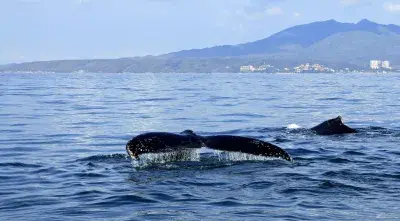
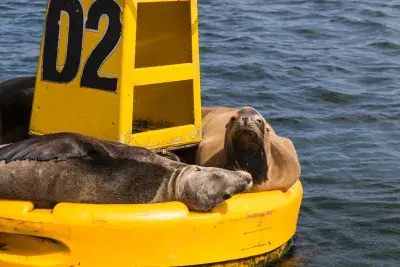
One of the greatest benefits of a cruise to the Mexican Riviera is the opportunity to see some of the incredible wildlife that frequents the Pacific Ocean.
Whale watching is a popular excursion, especially in Cabo San Lucas. The majestic creatures travel south in late fall and north again in late spring, making for memorable experiences for those lucky enough to see them.
With less rain and calmer weather, winter is the ideal time for snorkeling. Puerto Vallarta’s famous arch rock formation (Los Arcos de Mismaloya) is located in the protected marine life zone, and there are lots of opportunities to see local marine life, including colorful fish, lobsters, octopus, rays, and eels, even sea turtles. The reefs around the arches provide a natural base to snorkel and explore.
Ocean temperatures tend to be warmest in late summer and early fall, with bath-like water temperatures in the 80s. The winter can dip down into the 70s, which may mean a wetsuit for comfort, depending on how far north the excursion is.
Outdoor activities

Mexico provides fantastic and adventurous land activities such as hiking, ATV tours, and ziplining. The driest part of the year, which runs from November to April, is probably the best bet for these excursions.
For those worried about rain ruining their port day, do keep in mind that Cabo gets little to no rain. The city averages around 350 sunny days a year, due in part to its proximity to the Sea of Cortez. Described as a tropical dessert, the famous city is always great for a beach day. However, note that some beaches do not allow swimming due to the rough rip currents.
For those wanting to try the famous waves of the Mexican Riviera, summer is the best time to go. Ensenada and Mazatlán are among the best cruise ports for swimming.
Cultural events

Mexico is known for its festive atmosphere, and there are numerous events throughout the year. Carnaval is among the biggest celebrations, happening in February or March, depending on the timing of Easter. The largest parties are in cities such as Mazatlán, with parades, colorful costumes, dancing, and music. In 2026, Mazatlán Carnaval will be held from Thursday, February 12, to Tuesday, February 17.
On a similar note, Easter is one of the most sacred holidays in Mexico, with many businesses closing on Good Friday and Easter Sunday, something to consider when planning outings.
Day of the Dead is another famous celebration that occurs on November 1st and 2nd, with lots of activities to honor the departed. Parades, picnics, graveyard vigils, papier-mâché skeletons, elaborate dress, and makeup are some of the highlights.
Pan de muerto, a sweet bread, along with sugar skulls, are popular culinary treats that accompany the festivities. There are plenty of things to do throughout the day (not just the evening) for those cruisers wanting to participate.
Although a fun celebration in many parts of the United States, Cinco de Mayo is not a major celebratory event in Mexico. It commemorates the 19th-century military win in the town of Puebla and is a more low-key affair.

Chantal McPhee
Chantal McPhee has a great passion for travel since first venturing to the Bahamas as a child with her grandparents. Today, she loves cruising with her husband and two daughters to new places and aspires one day to do a world cruise. Living on the east coast of Canada, she shares cruising tips and information with fellow Canucks seeking a reprieve from the great white north. She also teaches business studies at a university, with a focus on strategy