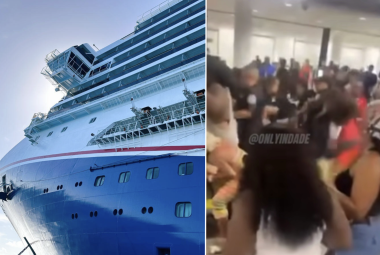
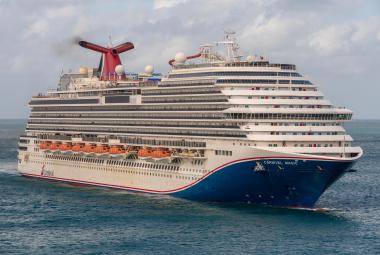
Carnival's stock fell amid growing fears of an oil crisis in the Middle East as a result of the ongoing violence in Iran and the surrounding countries.
On Friday morning, the cost of West Texas Intermediate oil, the U.S. oil benchmark, reached $86.57 per barrel. Prices for Brent crude, the international benchmark, shot up to nearly $90, or $84.99 per barrel, as reported by CBS News. Both were trading close to their highest levels since April 2024.
The sudden increase comes after nearly one week of fighting in the Middle East, following the U.S. and Israel's air and missile strikes against Iran that began on Saturday, February 28.

Iran's Supreme Leader, Ali Khamenei, and several high-ranking officials were killed during the attacks, with Iran retaliating by launching ballistic missiles towards Israel and several Gulf states — and halting shipments of oil and liquefied gas through the Strait of Hormuz.
With the Persian Gulf waterway effectively shut down, markets have been thrown into turmoil. According to CBS News, the Strait of Hormuz sees around 20% of global oil shipments.
The Joint Maritime Information Center claims that, on an average day, nearly 140 vessels pass through the Strait of Hormuz. However, as of March 5, the number dropped to "single-digit" levels, "with only 02 confirmed commercial transit observed in the past 24 hours. Note these were cargo and not tanker vessels."

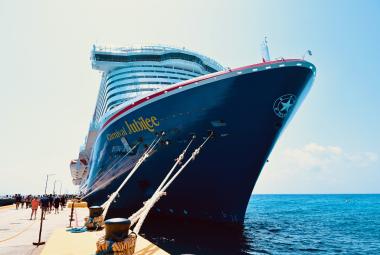
Fuel is one of the cruise industry's largest and most unpredictable expenses. Consequently, the increased oil prices have created a lot of uncertainty for cruise operators, including Carnival Corporation & plc, the parent company of lines like Carnival, Princess, and Holland America.
Brokerage William Blair & Co. said the higher fuel costs could penalize the company’s full-year earnings by roughly 20 cents per share, Seatrade Cruise News reported.
Unlike Royal Caribbean and Norwegian, Carnival doesn't hedge (or pre-buy) its oil. In other words, the company purchases fuel at prevailing market prices rather than locking in costs ahead of time. This makes Carnival more susceptible to market swings.

For example, 60% of Royal Caribbean's 2026 fuel was hedged at roughly $474 per metric ton, leaving 40% exposed to price volatility. Because Carnival didn't lock in similar protections, the increase in oil prices could have a more immediate and profound impact on the company's operating costs.
Middle East travel news: Which cruise ships have been impacted by the Iran war?
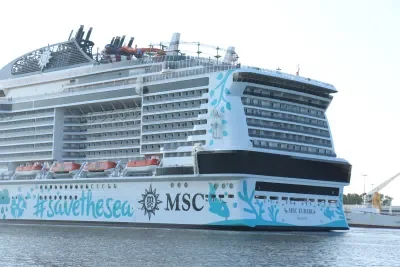
MSC Cruises has canceled the rest of MSC Euribia's sailings from Dubai for the season. The impacted sailings include the March 7, 14, 21, and 28, 2026, departures. According to MSC, "sudden security events" caused the cruise line to make the decision, with the decision being made with guests' "safety and wellbeing" as its highest priority.
TUI Cruises also canceled the March 3, 8, and 9 sailings for Mein Schiff 4, as well as the March 5 departure aboard Mein Schiff 5.
Celestyal Cruises made the decision to cancel the rest of Celestyal Journey's Middle Eastern season. According to a post on Facebook, they axed the March 7, 9, 14, and 16, 2026, voyages. Everyone on the affected cruises was offered full refunds or future cruise credits, with those on the ship having been "safely disembarked."

In the meantime, Celestyal Discovery remains stuck in Doha, Qatar, with passengers being told they would be told of disembarkation plans "in due course," Travel Weekly reported.

Elizabeth Wright
Elizabeth graduated from New York University's Arthur L. Carter Journalism Institute with her M.A. in Journalism in May 2023. Having sailed on over 30 cruises across different lines, including Royal Caribbean, Carnival, MSC, Margaritaville at Sea, and Princess, she loves sharing her insight and expertise on all things cruising!
In addition to writing for Cruise.Blog, Elizabeth has bylines in Business Insider, Royal Caribbean Blog, and Cruiseshipfood.com.