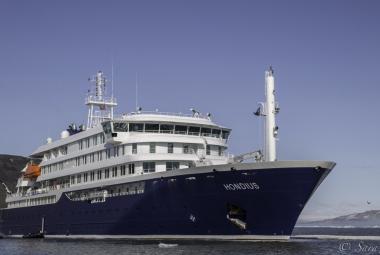
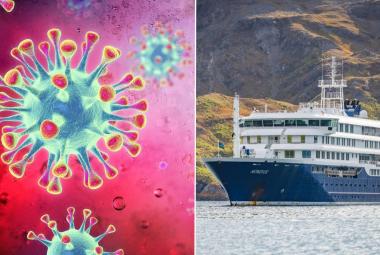
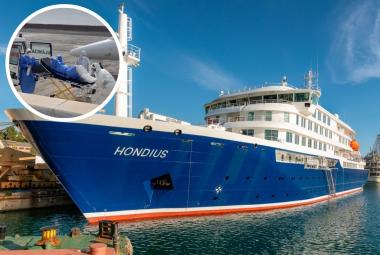
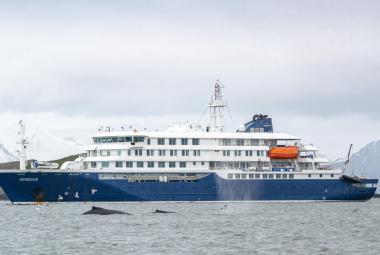
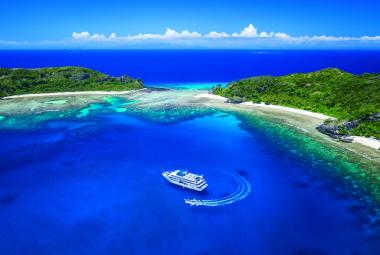
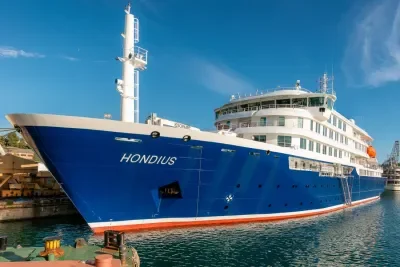
Cruise passengers who sailed aboard the MV Hondius are currently quarantining worldwide to prevent the spread of the deadly hantavirus.
As of Tuesday morning, nearly a dozen hantavirus cases have been confirmed, as reported by the World Health Organization (WHO). Global health officials have warned that the number could continue to rise. However, the risk to the general public is low at this time since transmission is rare and is typically limited to close-contact settings.
There have not been any hantavirus-related deaths since May 2, when a third passenger, a German national, aboard the Hondius ship succumbed to the illness.

Since then, most guests were safely disembarked from the ship and returned to their respective home countries, eighteen of which have returned to the United States.
Sixteen people are currently being monitored at a high-tech facility in Nebraska, while the other two are at Emory University Hospital in Atlanta.
Additionally, two of those individuals are in biocontainment units "out of an abundance of caution," said the Department of Health and Human Services (HHS). This kind of hospital room can quickly scale up to provide intensive care-level treatment.
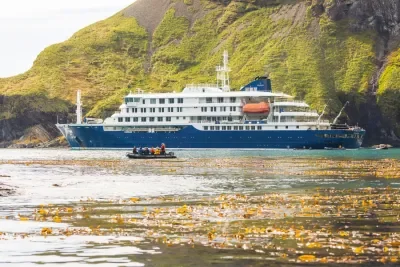
"One passenger currently has mild symptoms and another passenger tested mildly PCR positive for the Andes virus," the HHS added.
Is hantavirus contagious?

So far, the ongoing hantavirus outbreak has been linked with three cruise ship deaths. The first was a 70-year-old Dutchman, who fell ill with symptoms like a fever, headache, abdominal pain, and diarrhea. He died on April 11.
The second victim was the Dutchman's wife, who passed away at a South African hospital while traveling back to the Netherlands just days later.
Finally, a German passenger died on the cruise ship on May 2, which is the same date that the developing situation was reported to the WHO.
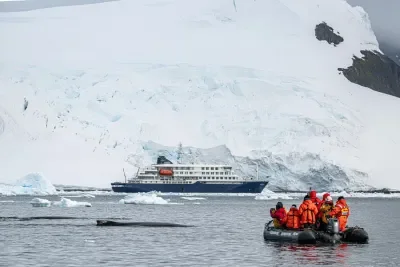
The outbreak has raised concerns about the Andes strain of the hantavirus, the only known form that's capable of human-to-human transmission. Generally speaking, the virus is transmitted by contact with rodents, especially when exposed to their urine, droppings, and saliva.
The Andes strain is found in parts of South America, which is where the MV Hondius cruise ship left in early April. The WHO has said that it believes the outbreak began with a Dutch couple aboard the ship, both of whom later died from their infections.
According to NBC News, the latest confirmed cases are among people who had direct contact with other ill passengers who were on the ship.

Dr. Brendan Jackson, acting director of the Division of High-Consequence Pathogens and Pathology at the Centers for Disease Control and Prevention (CDC), also said that the close quarters of the cruise ship environment appear to be key in this outbreak, adding that there's no evidence to suggest the Andes strain has evolved to become more infectious.
"When [the Andes strain spreads], it typically involves household members that are doing things like sharing beds or sharing eating utensils or having contact with body fluids," Dr. Jackson said.
However, there is the possibility that other passengers contracted the virus during stops at islands up the coast of Africa, rather than from other people aboard the ship. That said, many health officials claim that the risk to the general public remains low.
Read more: "Simply not true": Passenger on hantavirus cruise ship disputes situation onboard
"At this time, the overall risk to travelers and the American public remains extremely low. Routine travel can continue as normal," reads the CDC's website.
The WHO adds, "WHO assesses the risk to the global population posed by this event as low and will continue to monitor the epidemiological situation and update the risk assessment. The risk for passengers and crew on the ship is considered moderate."

Elizabeth Wright
Elizabeth graduated from New York University's Arthur L. Carter Journalism Institute with her M.A. in Journalism in May 2023. Having sailed on over 30 cruises across different lines, including Royal Caribbean, Carnival, MSC, Margaritaville at Sea, and Princess, she loves sharing her insight and expertise on all things cruising!
In addition to writing for Cruise.Blog, Elizabeth has bylines in Business Insider, Royal Caribbean Blog, and Cruiseshipfood.com.