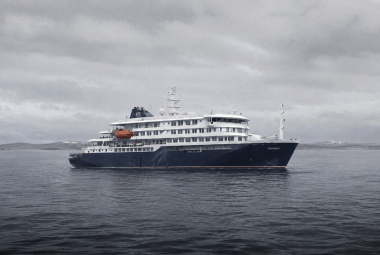
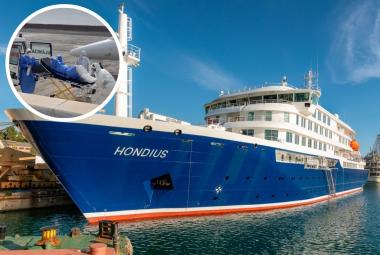
A suspected outbreak of the rare hantavirus infection killed three people on a cruise ship traveling from Argentina to Cape Verde in the Atlantic Ocean, the World Health Organization (WHO) said.
WHO told The Associated Press that an investigation was underway. However, at least one case of the hantavirus had been confirmed, with a 69-year-old patient in intensive care in a South African hospital. The U.N. health agency added that it was working with local authorities to evacuate two ailing crew members with symptoms from the Oceanwide Expeditions cruise ship.
"To date, one case of hantavirus infection has been laboratory confirmed, and there are five additional suspected cases. Of the six affected individuals, three have died and one is currently in intensive care in South Africa," said the WHO on social media.
The WHO continued, "WHO is facilitating coordination between Member States and the Ship’s operators for medical evacuation of two symptomatic passengers, as well as full public health risk assessment and support to the remaining passengers on board. WHO is grateful for the rapid actions and coordination."
The British and Dutch crew members are experiencing acute respiratory symptoms. That said, hantavirus has not been confirmed in either case, CNN reported.
The three victims who are suspected to have died from a hantavirus infection include a 70-year-old Dutchman, who suddenly fell ill on the ship with symptoms like a fever, headache, abdominal pain, and diarrhea. He died on April 11; however, the cause of death could not be determined on board.
The man's 69-year-old wife collapsed at a South African airport trying to fly home to the Netherlands, later dying at a nearby hospital.
A third death was reported on May 2, when a German passenger died on the cruise ship. Oceanwide Expeditions stated that the cause of death has not yet been determined.
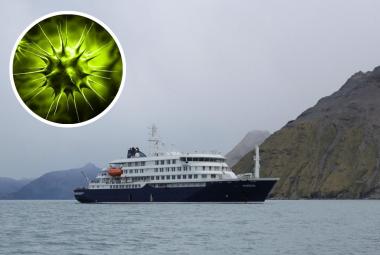
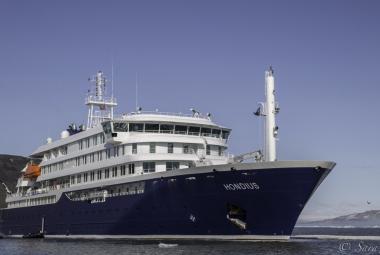
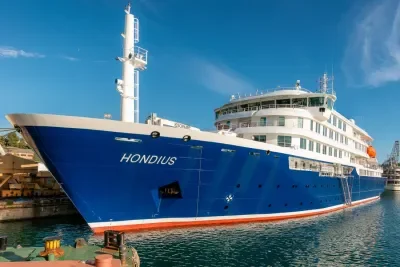
The MV Hondius is currently anchored off the coast of Praia, the capital of Cape Verde. The remaining 149 people on the cruise ship, including 17 Americans, are not allowed to disembark in Cape Verde.

The Dutch-flagged passenger ship left Ushuaia, Argentina, around seven weeks ago, visiting Antarctica and Saint Helena before anchoring in Praia.
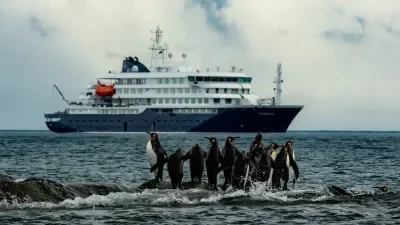
The itinerary mainly consisted of remote islands, offering a unique opportunity to see a lot of wildlife, including whales, penguins, dolphins, and seabirds.
MV Hondius is the first registered Polar Class 6 vessel in the world, according to Oceanwide Expeditions. This means that she meets the latest and highest Lloyd's Register standards for ice-strengthened cruise ships.
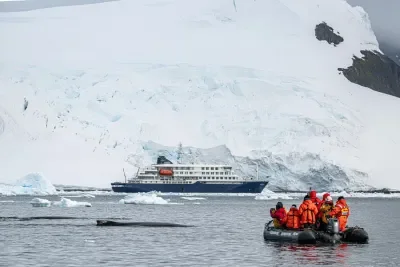
She measures around 5,590 tons and has a passenger capacity of 170 in 80 cabins.
What is hantavirus?

Hantaviruses are a family of rare viruses that cause serious illness and sometimes even death, according to the Centers for Disease Control and Prevention (CDC). The virus is often spread through infected rodents' urine, feces, and saliva, and is most often transmitted through inhalation.
Early symptoms of hantavirus resemble many other respiratory illnesses, which makes it difficult to diagnose. That said, people with hantavirus need to begin treatment as early as possible since it's fatal in nearly four in ten people who are infected. Some hantaviruses can also cause kidney symptoms.
Common hantavirus symptoms include coughing, shortness of breath, tightness in the chest, intense headaches, fever, and nausea.

Hantavirus is rare and most commonly reported in rural areas, where forests, fields, and farms offer habitats for rodents. It's also more commonly spread in Asia and Europe.
For example, by the end of 2023, just 890 cases of hantavirus disease had been reported in the United States since surveillance began in 1993, the CDC reports.
One of the fatalities was Betsy Arakawa, the wife of Oscar-winning actor Gene Hackman, who died from a hantavirus infection in February 2025. Rodent nests were later found near the house where Arakawa died.
Unfortunately, there is no specific treatment for hantavirus infection. Diagnosed patients should receive supportive care, preferably in the ICU, because the disease can rapidly progress.

Elizabeth Wright
Elizabeth graduated from New York University's Arthur L. Carter Journalism Institute with her M.A. in Journalism in May 2023. Having sailed on over 30 cruises across different lines, including Royal Caribbean, Carnival, MSC, Margaritaville at Sea, and Princess, she loves sharing her insight and expertise on all things cruising!
In addition to writing for Cruise.Blog, Elizabeth has bylines in Business Insider, Royal Caribbean Blog, and Cruiseshipfood.com.