With thousands of people crammed into confined spaces at sea, cruise ships often get a bad rap as a breeding ground for sicknesses.
Although the occasional gastrointestinal (GI) illness does occur, these cases are exaggerated by the media, making outbreaks seem more common than they actually are.
In reality, cruise ships maintain strict sanitation protocols to ensure that their passengers and crew members stay healthy and safe.

Moreover, roughly 1% of norovirus outbreaks (AKA the "cruise ship virus") happen on cruise ships, according to the Centers for Disease Control and Prevention (CDC).
Here's why, contrary to popular belief, cruise ships aren't "floating petri dishes."
Regulatory Oversight by the CDC
The CDC's Vessel Sanitation Program (VSP) helps the cruise industry prevent and control public health issues on ships.
There are five key components to the VSP:
- Inspecting cruise ships to determine how well they're operating and upholding public health standards in eight major areas
- Monitoring data on illnesses and investigating outbreaks on cruise ships
- Reviewing ship designs and construction plans to ensure they comply with public health standards in five general areas
- Training crew ship leaders, staff, and designers on public health practices
- Building the evidence base for environmental public health practices on ships
Thankfully, most cruise ships have high sanitation scores. All the scores from the VSP inspections are available online. As such, the strong oversight and public consequences of a poor sanitation score push cruise lines to maintain stringent hygiene practices, invest in continuous staff training, and quickly address any deficiencies.
Low-scoring vessels (anything with an 86 or below) must provide a corrective report outlining how they will address each violation and are subject to follow-up inspections to verify that the improvements were made.
In fact, according to the Cruise Lines International Association (CLIA), only 1% of ships since 1990 have scored below 86 points. Over the last 24 months, the average score was 95.95 out of 100.
Moreover, the CDC will publicly post any major outbreaks that meet its criteria. These reports include details like the number of passengers affected, the suspected cause of the outbreak, and the corrective actions taken by the ship and crew members.
Rigorous Cleaning Protocols

Speaking of outbreaks, when a ship reports that 3% or more of passengers or crew are reporting symptoms of GI illnesses to the ship's medical staff, they quickly jump into gear and trigger enhanced cleaning and disinfection procedures to help control it. Sick passengers are isolated and confined to their cabins, too.
Still, while outbreaks draw plenty of public attention and worry, cruise ships are constantly cleaning high-touch surfaces throughout the day — think elevator buttons, handrails, and door handles.
Routine sanitation happens behind the scenes at all hours of the day. For example, it is not uncommon to see crew members wiping down surfaces in the buffet and replacing serving utensils. Restrooms are also checked and cleaned frequently.
Crew Training

Before crew members can begin their contracts, they're trained in public health and safety practices. They're taught how to clean, what to monitor, when to isolate, etc.
The CLIA also states that all onboard staff members must be trained in first aid and public health practices. Regardless of their specific job title, everyone must be trained in safety and first aid procedures, too.
Moreover, many cruise lines have Public Health Officers to monitor and enforce health and sanitation standards. Their job is to ensure that everyone is complying with important public health regulations. Other responsibilities may include disease prevention and control, public health audits and inspections, and pest management.
Advanced Disinfection Technologies
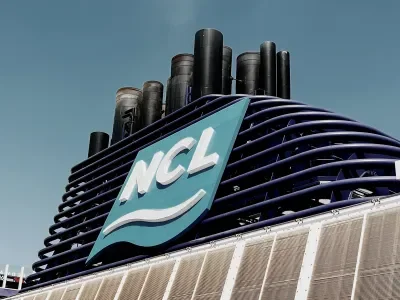
Beyond routine cleaning, cruise lines have also invested in advanced technologies to maintain a high level of sanitation throughout their ship.
Norwegian Cruise Line ships, for instance, use hypochlorous acid (HOCl) with Electrolyzed Oxidizing Water. This powerful oxidant kills bacteria, bacterial spores, and viruses, including enveloped viruses.
The disinfectant is made from electricity, salt, and water. It's all-natural, pH-neutral, non-toxic, and non-hazardous.
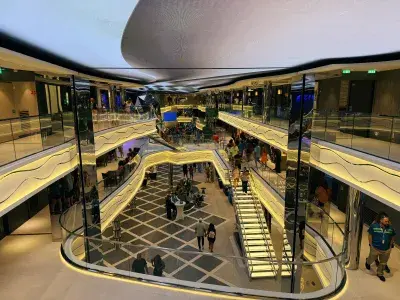
MSC Cruises has also rolled out a next-gen air sanitation system called "Safe Air," which debuted on the MSC Seashore and was developed by Fincantieri and the virology laboratory of the International Center for Genetic Engineering and Biotechnology.
The system is based on UV-C lamp technology and uses ultraviolet rays to eliminate air pollutants, including bacteria, viruses, and mold.
Water System Management
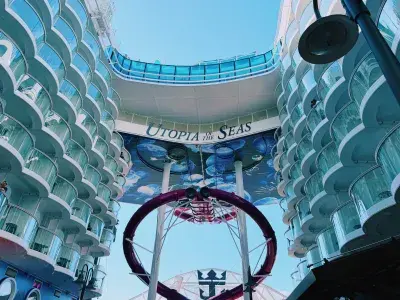
Protecting guests from airborne illnesses is important. However, cruise lines also have strict protocols to prevent waterborne pathogens, such as Legionella.
Royal Caribbean, for example, has state-of-the-art systems that allow its ships to create, conserve, and treat water to ensure a constant, sustainable supply.
By using reverse osmosis, the system pushes saltwater through membranes to remove contaminants, while steam evaporation uses heat from the ship’s engines to boil seawater and separate out the salt as a byproduct. Public health guidelines then require the newly produced freshwater to be mineralized before being distributed across the ship
Read more: Royal Caribbean reveals behind-the-scenes secret to how cruise ships make their own water

Additionally, the cruise line's Advanced Wastewater Purification System treats water to standards twice as strict as many local municipalities. Bioreactors, UV lights, and dissolved air all work to remove harmful contaminants, allowing the water to be returned to the ocean without impacting the marine ecosystems.
NCL ships also have Advanced Wastewater Purification Systems. According to the cruise line's website, the newest vessels in the fleet are equipped with the best technology that meets the stringent Baltic Standards. Wastewater is also tested weekly by the ship's environmental standards.

Elizabeth Wright
Elizabeth graduated from New York University's Arthur L. Carter Journalism Institute with her M.A. in Journalism in May 2023. Having sailed on over 30 cruises across different lines, including Royal Caribbean, Carnival, MSC, Margaritaville at Sea, and Princess, she loves sharing her insight and expertise on all things cruising!
In addition to writing for Cruise.Blog, Elizabeth has bylines in Business Insider, Royal Caribbean Blog, and Cruiseshipfood.com.