If you are planning to take your first cruise, whether a 3-night getaway to The Bahamas or a weeklong Caribbean voyage, you may be confused about the rules of cruising.
Cruises are unlike land vacations in many ways, and from the moment you arrive at the terminal, you're subject to the policies of the cruise line.
There are specific rules that, if broken, can ruin your entire vacation. From embarkation to disembarkation, understanding what to expect can help you avoid surprises.
Here are 6 rules that tourists commonly break on their first-ever cruise.
Not understanding how the Main Dining Room works
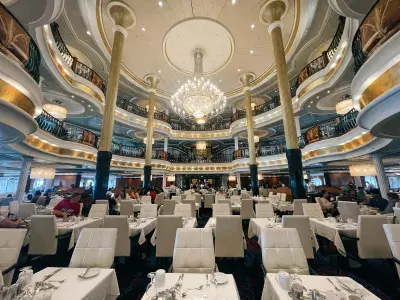
When you book your cruise (on most lines), you must choose between traditional and flexible dining. The former means you'll sit at the same table at the same time each night, while the latter gives you the freedom to pick when you'd like to eat.
Traditional cruise dining is ideal for those who enjoy consistency. There are typically two seatings each night — an early seating, often around 5:30 or 6:00 p.m., and a late seating, usually around 8:00 or 8:30 p.m.
You will dine with the same tablemates and have the same waitstaff each evening, which helps create a more personalized experience.
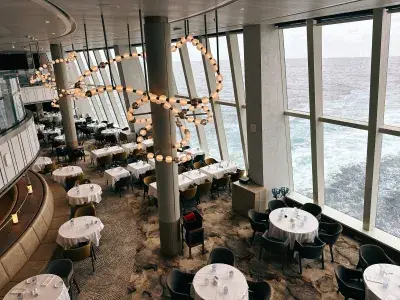
On the flip side, flexible dining allows you to eat on your own schedule since you aren't tied to a specific table.
If you think you've made the wrong choice, contact your travel agent or the cruise line as soon as possible. The closer to your sailing you get, the less likely the ship's dining team will be able to accommodate changes — there are only so many spots for traditional and flexible seatings.
That said, not all cruise lines give you an option. For example, Virgin Voyages doesn't have a Main Dining Room. Instead, six specialty restaurants focus on a different cuisine, from Italian to Korean BBQ, Mexican, and more.

Similarly, Norwegian prides itself on its "Freestyle Cruising" methodology. Instead of making reservations, you simply show up at the dining room when you're hungry.
Thinking everything is included in your cruise

Mainstream cruise lines are not all-inclusive. Although the fare includes more than your standard accommodation, there are extras you should budget for. These include alcoholic beverages, shore excursions, spa treatments, Wi-Fi, and specialty meals.
You will want to make sure that you book your add-ons in advance. Drink packages won't sell out, but popular shore excursions and specialty restaurants likely will.
The price of cruise extras varies. Carnival Cruise Line, for example, charges $88.44 per day for its alcoholic drink package. Comparatively, Royal Caribbean’s Deluxe Beverage Package can range from $56 to $115 per day, depending on the sailing and when you purchase it.
Read more: 17 hidden cruise ship extra charges you should know about

Shore excursions can add up quickly, too. You don't need pricey tours in every port, but it's wise to plan ahead so you make the most of each destination.
So what is included in your cruise fare? Your stateroom, meals in complimentary restaurants, select beverages, entertainment, and transportation to ports of call.
Not realizing how big cruise ships are

Today's cruise ships are massive — some are as large as 248,000 gross registered tons (GRT)! Essentially, cruise ships are floating cities with restaurants, theaters, pools, shops, spas, salons, laundry rooms, massive kitchens, and more.
If you have never cruised before, it's easy to underestimate how long it can take to get from Point A to Point B. Navigating the different decks can be confusing, too.
As such, take time to study the ship's deck plans before embarkation. This will help you familiarize yourself with where the dining room is, as well as other key venues like the kids' clubs, medical facility, Guest Services, and more.
Read more: Top 25 Biggest Cruise Ships in the World
Not considering paying extra for a balcony cabin

The cheapest cruise room isn't always the best choice; there's a reason balconies are the most popular staterooms.
While booking a windowless inside cabin will save you money, it might not offer the experience you're hoping for. Interior staterooms can feel small and dark, with no natural light or view of the outside world, which can make some travelers feel claustrophobic.
On the other hand, balcony cabins provide fresh air, natural light, and more space. As such, if you are someone who enjoys peaceful mornings or quiet evenings with a view, a balcony room might be worth the extra cost.
Read more: Cruise ship cabins: Everything you need to know

On a similar note, first-time cruisers should avoid guarantee (GTY) cabins, regardless of the category. Although they're cheaper, you give up the right to select your stateroom. The cruise line will randomly assign your room closer to your sail date.
This means you could get a cabin in an undesirable location, like underneath the pool deck, near the casino, or with an obstructed view.
Flying on the day of your ship’s departure

All it takes is just one pesky delay to unravel your long-awaited travel plans. Rather than risk missing your cruise ship, you should plan on arriving at least one day before — even earlier if you have to fly internationally. Here's why:
When I was traveling from North Carolina to Amsterdam for my weeklong cruise to Norway, my flight from Charlotte to JFK was delayed, and I missed my connection to the Netherlands.
While Delta was able to put us on a flight the following day, it meant we lost an entire day in Amsterdam before the cruise even began. Thankfully, we had a buffer, though. Without the extra day, we would have missed the ship's departure!
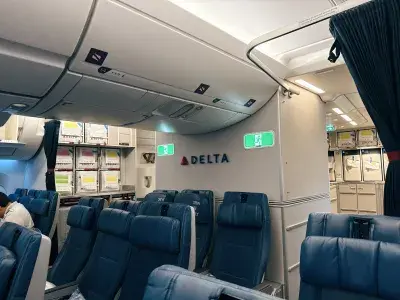
Arriving the night before means you will be well-rested on embarkation day. If anything goes astray, you have a buffer to figure out other arrangements to the port, whether a later flight or a last-minute overnight drive.
Read more: The costly cruising mistake newbies make when planning their first cruise
Not understanding gratuities

Tips onboard a cruise ship are also referred to as cruise ship gratuities. They're rarely included in your base fare unless you're sailing with an ultra-luxury or purchase an inclusive package from Princess or Holland America Line.
Gratuities are divided between the hardworking crew members who work to make your vacation memorable, including cabin stewards, dining and culinary services staff, the guest services team, and others who work behind the scenes.
The daily price varies based on the cruise line and cabin category. For example, the daily rate for Royal Caribbean passengers in standard staterooms is $18.50, whereas those sailing on Carnival ships in an interior, ocean-view, or balcony cabin will pay $16.00.

If you don't prepay your gratuities, they will automatically be charged to your onboard account to be settled at the end of the cruise.
As such, you could be hit with an unexpected bill on the final morning. Large families can easily pay over $400 in gratuities on a weeklong cruise.

Elizabeth Wright
Elizabeth graduated from New York University's Arthur L. Carter Journalism Institute with her M.A. in Journalism in May 2023. Having sailed on over 30 cruises across different lines, including Royal Caribbean, Carnival, MSC, Margaritaville at Sea, and Princess, she loves sharing her insight and expertise on all things cruising!
In addition to writing for Cruise.Blog, Elizabeth has bylines in Business Insider, Royal Caribbean Blog, and Cruiseshipfood.com.