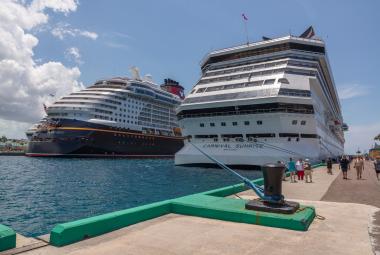
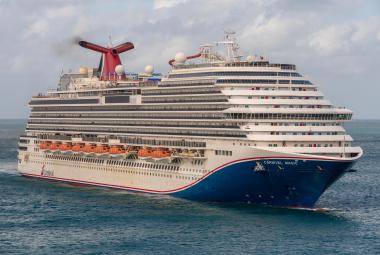
The Iran war is doing more than fueling anxiety around global politics — it is also disrupting travel, with thousands of flight delays and cancellations, and cruise vacations abruptly ended before they even began.
At the same time, the conflict is driving up oil prices. The cost of Brent oil, the global benchmark, reached $107.81 per barrel on March 27, up sharply from $71.24 just one month earlier, according to Fortune.
The effects have been felt everywhere from local gas pumps to airline ticket fares. However, despite the rising oil costs, cruise lines are likely to absorb much of the impact, rather than pass the full burden onto travelers through unexpected fuel surcharges.

Unlike Royal Caribbean and Norwegian, Carnival doesn't hedge (or pre-purchase) its oil. This means that the company buys fuel at prevailing market prices rather than locking in costs ahead of time, making them more susceptible to market swings.
For example, Royal Caribbean hedged 60% of its 2026 fuel at roughly $474 per metric ton, leaving 40% exposed to price volatility. However, Carnival didn't lock in similar protections, leaving guests wondering if they should be worried about an immediate and profound impact on the company's operating costs.
Carnival Corporation & plc's CEO, Josh Weinstein, was asked about the potential impact of rising fuel costs during the company's Q1 earnings call on Friday, March 27, and gave a reassuring response. According to Weinstein, he feels comfortable that Carnival can absorb the higher fuel prices over a longer period of time.
Read more: Carnival Cruise Line stock falls as Iran war causes oil prices to increase
"We'll take what the world has, and we'll perform in any environment at the end of the day. [C]learly, we'd be performing better if fuel [were] back at [$60 or $70 per barrel], but we don't plan our lives around the world where fuel stays [that price]. That's why our focus forever and will continue to be... is [to] use less because whatever the price is, if we use less, we do better," he remarked.
David Bernstein, Carnival's CFO & Chief Accounting Officer, even expressed that he is comfortable not introducing a hedging program in the foreseeable future, noting that it has worked well for them so far.
He explained, "We think about that question all the time, regardless of the situation and circumstances, when we talk about it. But at the moment, you know what we've done over the past decade."
Carnival leans on port strategy to manage fuel prices

You may have noticed that Carnival itineraries are visiting fewer ports of call — and that's by design. This is a deliberate move by the company to manage fuel costs. It isn't brand-new, either.
In 2024, at the Seatrade Cruise Global conference in Miami, Florida, Weinstein spoke about retrofitting technology to reduce consumption, as well as making strategic choices about destinations.
"A cruise is like driving your car. If you go slower and you go shorter distances, generally speaking, you use less fuel, and you emit less greenhouse gases, so to some extent, I would probably guess for [all cruise lines], that is a component of how we are going to continue to reduce our emissions footprint," he explained.
Read more: The surprising reason Carnival expects your cruise ship to visit fewer ports

He echoed similar sentiments during the company's earnings call, saying, "[W]e absolutely have the ability to change itineraries, to make decisions about a number of ports that will stop in particular future scenarios. I would say we have been really strategic in thinking about the fuel side of our investments in our destinations in the Caribbean."
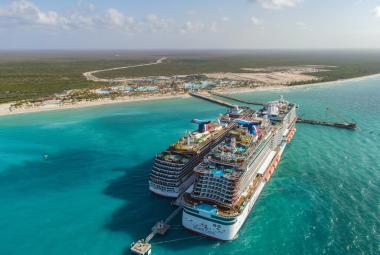
Celebration Key and the upcoming enhancements to Half Moon Cay are part of that strategy, as they provide attractive destinations that are close to many of Carnival's homeports.
Carnival's contract doesn't mention a fuel supplement
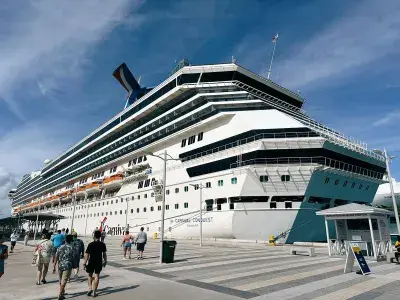
Previously, Carnival's Cruise Ticket Contract stated that the company reserved the right to charge a fuel supplement of $9 per person, per day, without prior notice if the price of crude oil rises to over $70 per barrel.
Other cruise lines, like Royal Caribbean and Norwegian, still include fuel supplements in their contracts. This gives them the right to pass a portion of the higher fuel costs onto passengers when oil prices exceed certain thresholds.
"Subject to the terms of this Section, Carrier reserves the right, without prior notice to Guest, to impose a fuel supplement charge (the 'Fuel Supplement'). Carrier may impose such Fuel Supplement either at the time of booking or thereafter at any time prior to sailing," states Royal Caribbean's contract.

It further specifies when a fuel surcharge could be imposed. If, after booking, the price of West Texas Intermediate crude exceeds $65 per barrel or the Henry Hub Natural Gas Spot price exceeds $3 per million British Thermal Units, they can charge guests up to $12 per day, per person.

Elizabeth Wright
Elizabeth graduated from New York University's Arthur L. Carter Journalism Institute with her M.A. in Journalism in May 2023. Having sailed on over 30 cruises across different lines, including Royal Caribbean, Carnival, MSC, Margaritaville at Sea, and Princess, she loves sharing her insight and expertise on all things cruising!
In addition to writing for Cruise.Blog, Elizabeth has bylines in Business Insider, Royal Caribbean Blog, and Cruiseshipfood.com.