Having been on over three dozen cruises to destinations like The Bahamas, Greek Isles, and Alaska, I've learned that cruising isn't always the carefree vacation it is made out to be.
While cruise commercials highlight state-of-the-art ships, private ports, and world-class dining, there are plenty of less glamorous realities that both first-time cruisers and seasoned passengers alike don't always anticipate.
From unpleasant stomach problems to chair hogs and disappointing port visits, many unexpected cruise problems can catch travelers off guard and ruin their vacation.
That said, many of the most obvious problems can be avoided, or at least minimized, with a little preparation before embarkation day.
Constipation
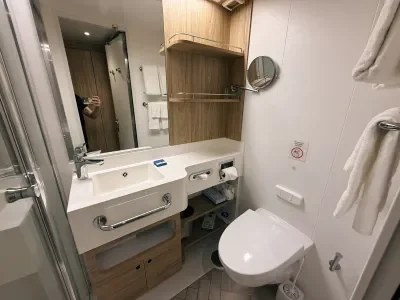
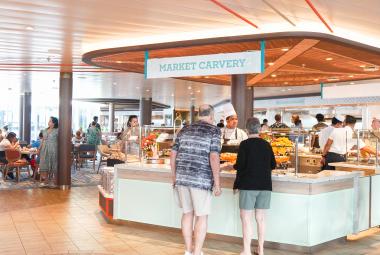
For starters, you likely won't stick to your usual meal plan on a cruise, indulging in everything from pancake breakfasts to poolside tacos and multi-course dinners. Unfortunately, this can wreak havoc on your digestive system and is why constipation is a surprisingly common cruise complaint.
Not only that, but spending long hours traveling to and from the ship can contribute to digestive issues before your vacation officially begins.
As such, you want to pack stool softeners and stay hydrated throughout your cruise. It's also smart to focus on eating fiber-rich foods and staying active.
Diarrhea

On the flip side, diarrhea is another common digestive issue that can affect cruisers. Between all-you-can-eat dining and exposure to new foods, it doesn’t take much for an upset stomach to ruin your day.
As tempting as it might be, it's important to avoid foods known for causing diarrhea. For example, if you're lactose intolerant, you should not try to see how many soft-serve cones you can eat in one day. Instead, opt for the dairy-free desserts — there are plenty!
Over-the-counter medications such as Imodium A-D or Pepto-Bismol can help reduce frequency in mild cases and are smart to have on hand in case you need temporary relief for a port day or lengthy excursion.
Heartburn and acid reflux

On a similar note, most cruisers indulge in more fatty and fried foods than at home, causing sudden heartburn flare-ups. From late-night pizza runs to acidic cocktails, it's really easy to overload your stomach within hours of setting foot on the ship!
The good news is that fast-acting antacids provide quick relief — that's why I never leave home without chewable TUMS! Alka-Seltzer and Pepcid are solid options, too.
You should also stay upright after eating. In other words, don't scarf down a huge lunch then immediately head back to your lounge chair!
Seasickness

Unfortunately, seasickness can affect first-time cruisers or seasoned veterans. It doesn't matter when you set sail, as rough seas can strike at any time, not just during hurricane season.
That said, some waters are more prone to rough conditions, like the Gulf of Alaska and the North Sea. If you're heading to Alaska or Norway, it is smart to bring motion sickness meds like Bonine or Dramamine. However, common routes like the Caribbean or Mediterranean can still get choppy.
I'd also recommend being intentional about where you book your cruise cabin. Those who are especially prone to motion sickness should choose a mid-ship stateroom on a lower deck.
Hangovers
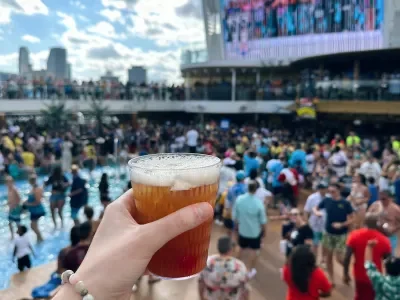
As much as I hate to admit it, I've suffered one too many terrible hangovers on vacation. It's easy to indulge more than normal on a cruise, especially if you splurge on your cruise line's drink package.
However, that last late-night round will likely come back to bite you the next morning when you're up bright and early for your all-day excursion.
You definitely don't have to avoid drinking on a cruise, but you should pace yourself and stay hydrated. The last thing you want is to wake up feeling nauseous or deal with a pounding headache during your snorkeling tour.
Feeling nickel-and-dimed

Cruise base fares cover essentials like your accommodations, meals, entertainment, and transportation between ports of call. However, on most mainstream lines, it excludes Wi-Fi, specialty restaurants, alcoholic beverages, shore excursions, and more.
As such, cruise add-ons can add up quickly, especially if you are not appropriately budgeting for them, and a cheap vacation can suddenly feel far more expensive when you're pressured to pay for a drink package or upgrade to a specialty meal.
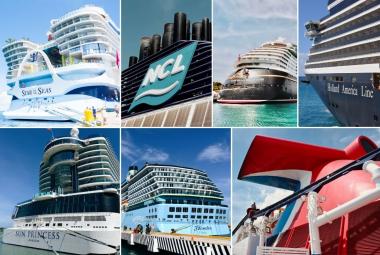
The best way to avoid feeling nickel-and-dimed is to set realistic expectations. Before you sail, decide which add-ons are non-negotiable. Many cruise lines — like Princess Cruises, MSC Cruises, and Celebrity Cruises — also offer bundled fare packages that include drinks and Wi-Fi, which can make your vacation feel more inclusive from the start.
Chair hogs
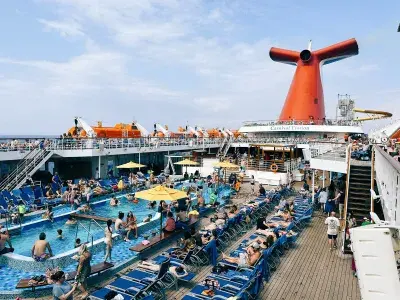
Chair hogs are among the most annoying types of cruise passengers. These guests claim a pool chair early in the morning and then disappear for hours, leaving a towel or beach bag to reserve their spot.
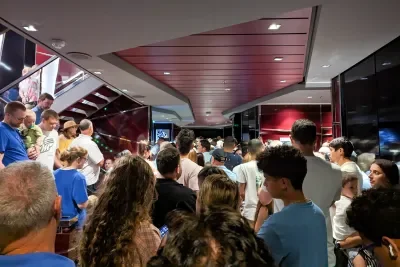
Cruise deck space is limited, and it's not uncommon for prime spots by the pool to quickly fill up on sea days. As such, this behavior can make it difficult for others who want to actively enjoy the sunny pool deck to find seating.
If you want to avoid chair hogs, consider using the pool during off-peak hours. You can also look for hidden seating further from the main pool area.
Expensive everyday essentials

Experienced cruisers know they need to stock up on over-the-counter medications before leaving home. This is because cruise ships have limited inventory, so your preferred brand of painkillers or cold medication may not be available.
However, it's also because onboard shops tend to charge a premium for basic essentials. It's not uncommon for sunscreen to cost upwards of $20, while a small box of over-the-counter medication with just two pills could cost $3.50 or more.
You should triple-check your packing list before leaving home and make sure that you're covered for the common cruise issues — think headaches, motion sickness, allergies, stomach upset, and colds. If you forget anything, your best bet is to run into a nearby store on embarkation day, rather than waiting until you're on the ship.
Limited sightseeing time in port
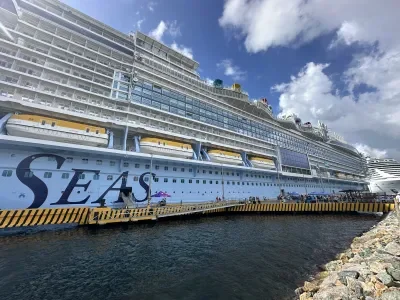
One of the biggest downsides of cruising is that port days are short, and most cruise lines don't offer overnight stays. Between disembarkation, travel time to nearby sights, and the strict all-aboard time, you may find that your time ashore is much shorter than expected, too.
Rather than trying to cram everything into a short five or six-hour visit, it's better to focus on one or two highlights. That way, you can fully immerse yourself in the experience, versus spending half the day in a crowded tour bus.
You should also do your research before sailing and get off the vessel early to make the most of your time in port. This is especially true if you're exploring on your own!
Sweating

Finally, if you don't want to visit hot and humid destinations, you should consider an itinerary that calls at ports in places like Alaska or Northern Europe.
However, if you are sailing somewhere warmer (i.e., The Bahamas, South Pacific, or Mediterranean), you must pack appropriately, focusing on breathable, lightweight clothing.
Although sweating will likely be part of your daily reality, that doesn't mean you can't try to make yourself more comfortable, and small extras like a portable fan or cooling towel can also make a difference.

Elizabeth Wright
Elizabeth graduated from New York University's Arthur L. Carter Journalism Institute with her M.A. in Journalism in May 2023. Having sailed on over 30 cruises across different lines, including Royal Caribbean, Carnival, MSC, Margaritaville at Sea, and Princess, she loves sharing her insight and expertise on all things cruising!
In addition to writing for Cruise.Blog, Elizabeth has bylines in Business Insider, Royal Caribbean Blog, and Cruiseshipfood.com.