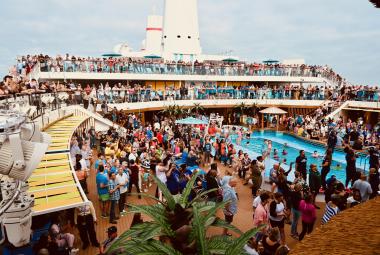
Historically, cruises have a reputation for being cheap getaways for partiers. Although you don't have to search hard to find an affordable weekend booze cruise to The Bahamas, cruising is more expensive today than ever before.
Within the past two years, cruise lines have reported record demand and rising yields, indicating that they're generating a substantial amount of revenue.
It's not uncommon to see fares as high as $1,600+ per person for a windowless inside cabin on the world's largest cruise ships — and that's before you factor in add-ons like drink packages, specialty restaurants, shore excursions, spa treatments, and more.
Read more: Why Carnival's cruise prices keep rising
Years ago, you could find seemingly too good to be true last-minute deals for as low as $300 or $400 per person for a weeklong cruise. Those days are, for the most part, long gone.
Even wave season deals, the peak booking period for the industry, have become less generous. Although discounts and promotions are available, they sometimes feel like strategic upsell opportunities for add-ons like drink packages and onboard credit, rather than cheaper fares.
Cruise fares increased by over 15% in 2023 compared to 2019, and they've only continued to rise since then. Part of the reason is the amount of debt cruise lines incurred during the pandemic. The cost of goods and labor has gone up, too.

Another reason cruise fares are so high is that the industry's growth trajectory remains robust. According to the Cruise Lines International Association's (CLIA) 2024 State of the Industry Report, 82% of those who have cruised will cruise again.
Moreover, 84% of Gen-Xers and 81% of Millennials who have previously cruised plan to hit the high seas again. Looking ahead, the number of ocean-going cruisers is forecast to grow to nearly 40 million passengers, up from 31.7 million in 2023.
The increased demand for cruise vacations has resulted in higher fares. As cruises are demand-based, prices usually rise as cabin availability decreases.
Read more: 15 trends in cruising you should know about

What's even more frustrating is that cruise lines have attempted to maximize profits by cutting corners in areas that directly impact the passenger experience. For example, Royal Caribbean no longer offers twice-per-day housekeeping.
Similarly, the food quality has noticeably declined on many ships. Specialty dining, which was once a fun splurge, is now viewed as a necessity for many guests.
Cruise lines have also continued to increase their daily gratuity rates. Norwegian, for instance, has some of the highest automatic gratuities in the industry, charging passengers in standard cabins $20 per day.

Royal Caribbean also raised its gratuity rate from $18.00 to $18.50, effective November 1, 2024. The new rate for suites became $21.00 per person, up from $20.50.
Gratuities are meant to support the hardworking crew members. However, many cruisers feel blindsided by the recent increases, arguing that gratuities should be built into the fare.
Even still, cruises offer an amazing value, especially compared to land-based resorts like Walt Disney World and Universal Orlando.
Cruises don't have to break the bank
Despite the higher fares, there are ways to save money on a cruise vacation. For starters, sailing during the off-season is more affordable than during peak months like June, July, and August. You should also avoid holidays, such as Labor Day, Thanksgiving, and Christmas.
Additionally, booking early helps cruisers find more affordable fares, as prices often rise closer to the sail date when there are fewer staterooms available. Alternatively, if you are flexible and live near a cruise port, you can keep an eye on last-minute deals, although they aren't as common as they used to be.
The cheapest cruises aren't in balcony cabins, either. Windowless interior staterooms are usually the most affordable.

While they lack ocean views and natural light, cruisers have access to the same amenities, dining, and entertainment options. As such, they're a smart choice for guests who don't plan on spending much time in their stateroom.
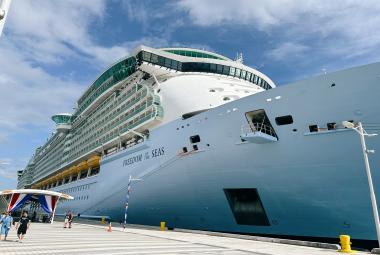
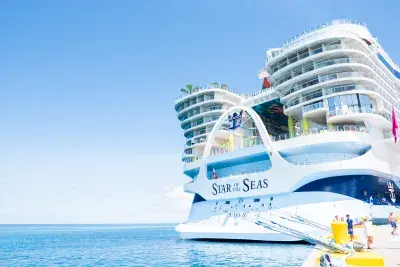
Older ships also offer a better value compared to newer vessels. For example, you will find cheaper cruises on ships like Freedom of the Seas compared to Icon and Star of the Seas. Likewise, ships like Carnival Liberty and Magic are typically more affordable than Carnival Celebration or Jubilee.
They may not have the same bells and whistles, but they deliver a classic cruise experience, including lively pool decks, multi-story dining rooms, live entertainment, complimentary activities, and more.
Read more: How to save money on a cruise: 23 money-saving tips

Elizabeth Wright
Elizabeth graduated from New York University's Arthur L. Carter Journalism Institute with her M.A. in Journalism in May 2023. Having sailed on over 30 cruises across different lines, including Royal Caribbean, Carnival, MSC, Margaritaville at Sea, and Princess, she loves sharing her insight and expertise on all things cruising!
In addition to writing for Cruise.Blog, Elizabeth has bylines in Business Insider, Royal Caribbean Blog, and Cruiseshipfood.com.